
Misconceptions About Martial Arts Training Debunked


Understanding Martial Arts: Beyond the Myths
Martial arts have long been surrounded by a veil of mystique and misunderstanding. Many people have preconceived notions about what martial arts training entails, often fueled by movies and television. In this post, we will debunk some of the most common misconceptions and shed light on the true nature of martial arts.
One prevalent myth is that martial arts are solely about fighting. While self-defense is a component, martial arts also emphasize personal growth, discipline, and mental strength. Practitioners often find that the journey is more about self-improvement than physical confrontation.
Martial Arts Are Not Just for the Young and Fit
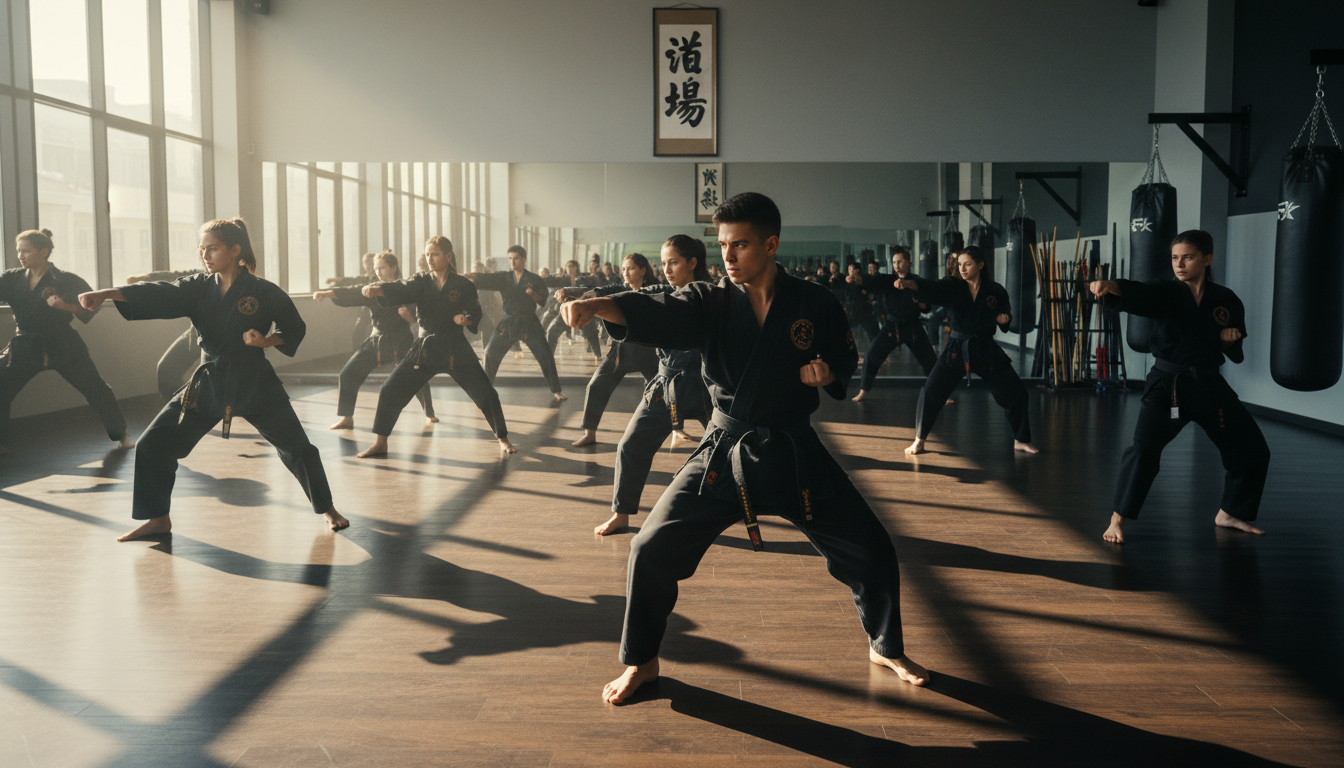
Another common misconception is that martial arts are only for young, athletic individuals. In reality, martial arts are accessible to people of all ages and fitness levels. Many dojos offer classes tailored to beginners, seniors, and those with physical limitations, focusing on flexibility, strength, and balance.
In fact, engaging in martial arts can be a pathway to improved fitness. The practice promotes cardiovascular health, enhances coordination, and builds muscle strength. It's never too late to start, and the benefits extend well beyond physical health.
Breaking the Stereotype: Aggression vs. Control
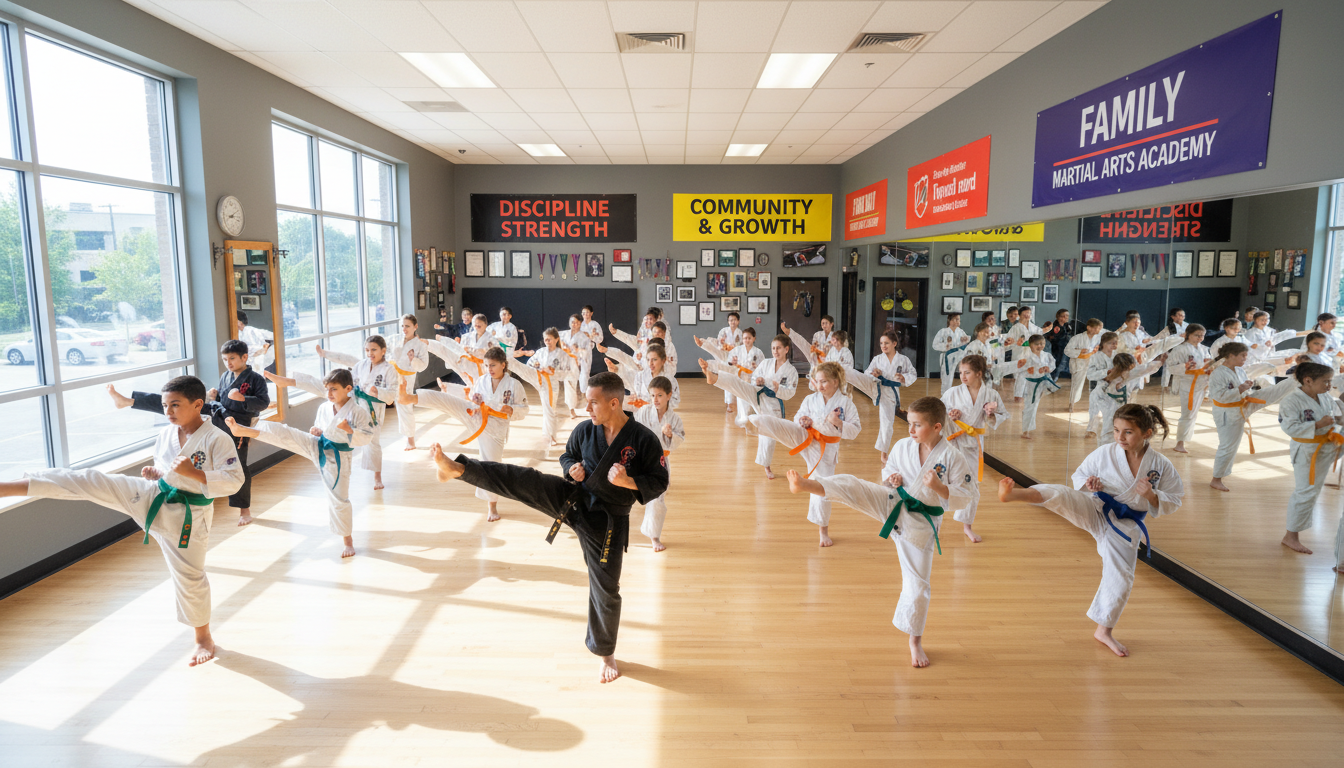
A widespread belief is that martial arts training fosters aggression. On the contrary, martial arts teach control and restraint. Students learn to calm their minds, handle stress, and react thoughtfully rather than impulsively. This emphasis on self-control is integral to the discipline.
Moreover, the principles of respect and courtesy are deeply embedded in martial arts culture. Practitioners bow to their instructors and peers as a sign of respect, highlighting the importance of humility and mutual respect.
The Myth of Instant Mastery
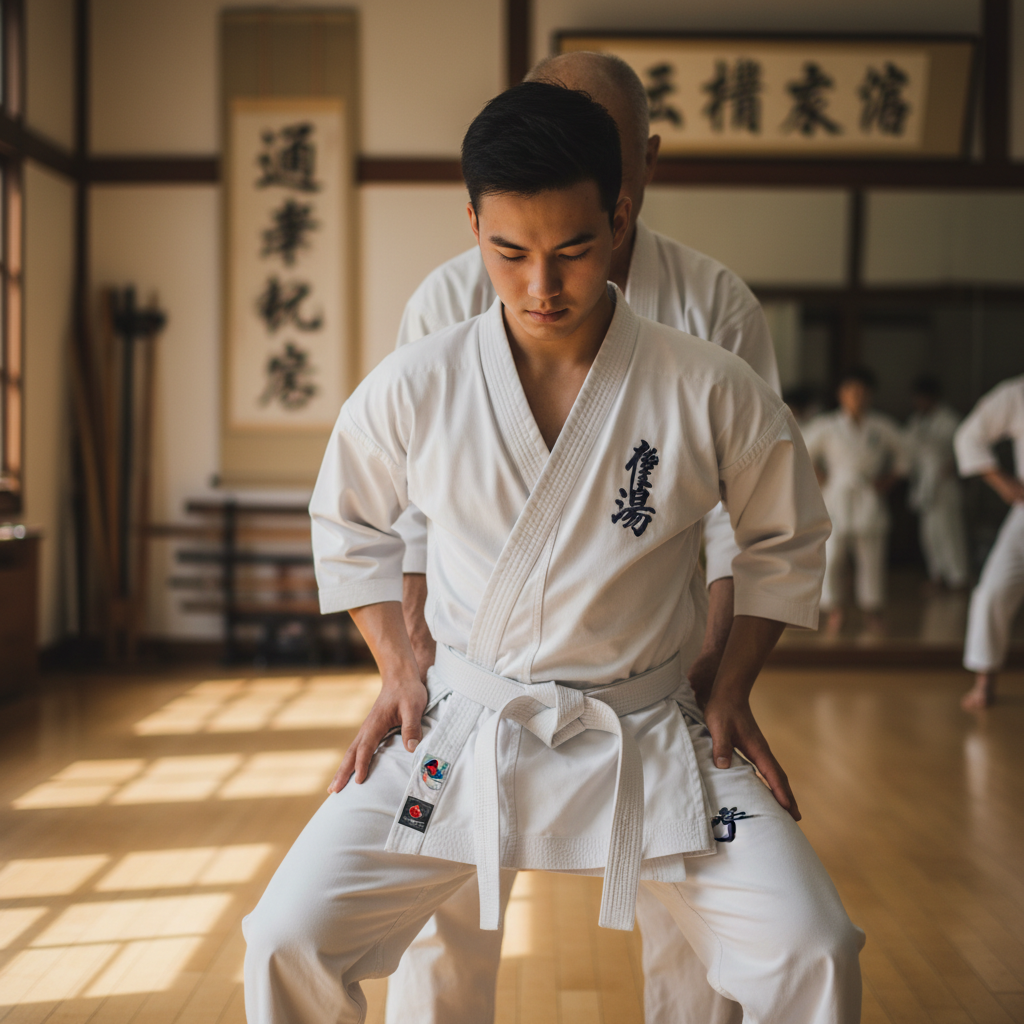
Many believe that martial arts can be mastered quickly. This notion is often perpetuated by dramatized versions of martial arts training seen in popular media. In reality, mastering martial arts requires years of dedication and practice. It is a lifelong journey of learning and improvement.
Progress in martial arts is often marked by earning different colored belts, which signify a student’s level of proficiency. These milestones are achieved through consistent practice, perseverance, and patience.

Conclusion: Embracing the True Spirit of Martial Arts
Martial arts offer a comprehensive path to personal development, extending far beyond the physical aspects. By debunking these misconceptions, we can appreciate the true value of martial arts as a holistic practice that cultivates both body and mind. Whether you're seeking to improve fitness, learn self-defense, or achieve personal growth, martial arts can be a rewarding endeavor.