
Debunking Martial Arts Myths: What You Need to Know


Introduction to Martial Arts Myths
Martial arts have been a subject of fascination for centuries, with their rich history and cultural significance. However, along with their popularity, many myths have emerged that often mislead enthusiasts and beginners alike. In this post, we aim to debunk some of the most common martial arts myths to help you better understand this ancient practice.

Myth 1: Martial Arts Is Only About Fighting
A prevalent misconception is that martial arts are solely about combat and aggression. While self-defense is a component, martial arts encompass much more, including personal development, discipline, and mental focus. Many practitioners find that the true value of martial arts lies in its ability to enhance self-awareness and inner peace.
The Role of Discipline
Discipline is a core aspect of martial arts training. Students learn to control their emotions, develop patience, and build perseverance. These skills extend beyond the dojang, offering benefits in everyday life, work, and relationships.
Myth 2: You Need to Be in Top Physical Shape to Start
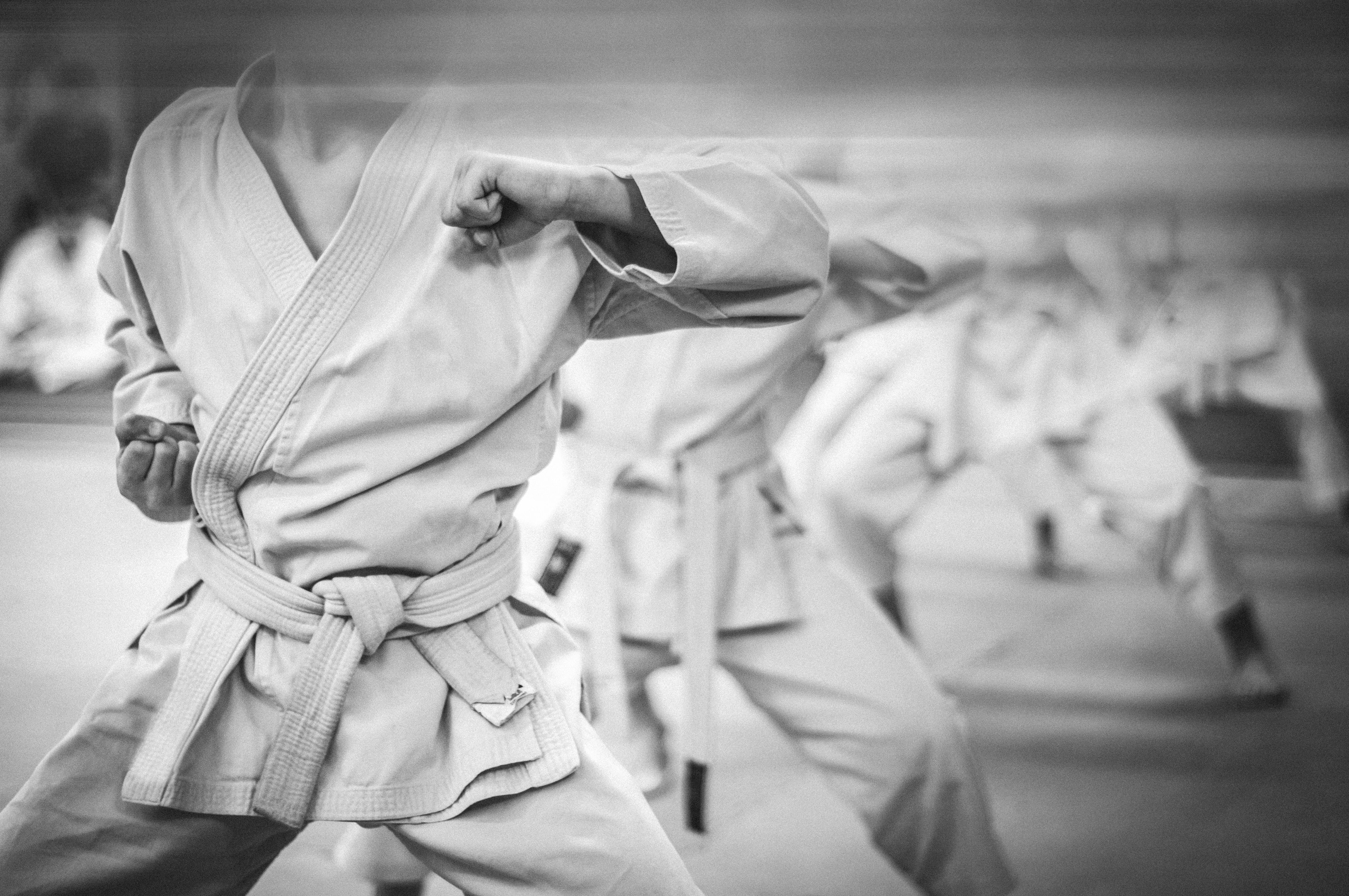
Another myth is that you must be in excellent physical condition to begin training. In reality, martial arts are accessible to people of all ages and fitness levels. Beginners are encouraged to progress at their own pace, gradually building strength, flexibility, and stamina.
Adaptability of Training
Martial arts instructors often tailor techniques and exercises to fit individual needs, ensuring that everyone can participate safely and effectively. This adaptability makes martial arts an inclusive activity, welcoming to all who wish to learn.
Myth 3: Black Belts Are Invincible
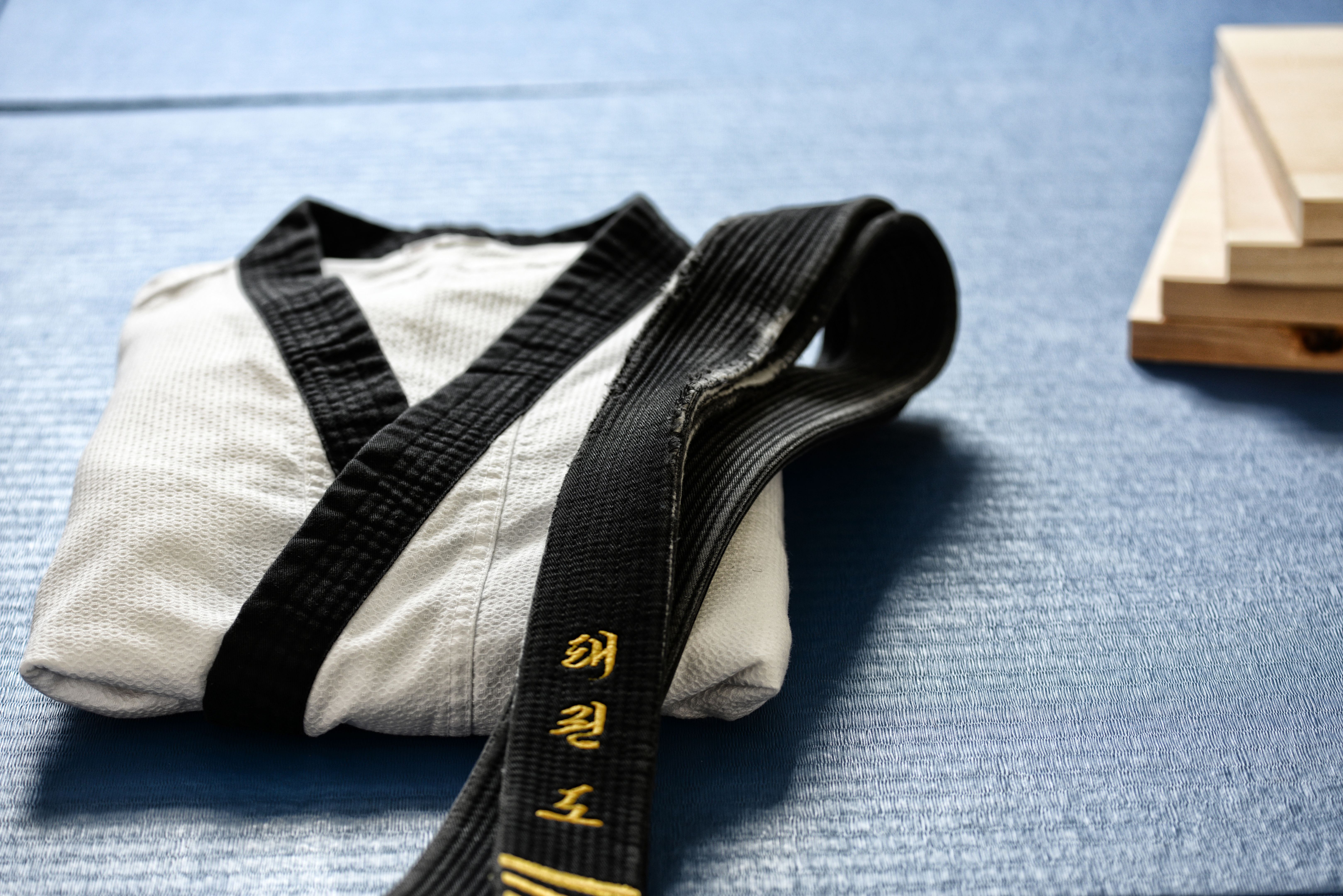
The black belt is often seen as the ultimate symbol of mastery in martial arts. However, it is not a guarantee of invincibility. Earning a black belt signifies a high level of proficiency and dedication, but martial arts is a lifelong journey where continuous learning and improvement are key.
The Journey Beyond the Black Belt
Reaching a black belt is just the beginning. Advanced practitioners continue to refine their skills, explore new techniques, and deepen their understanding of martial arts principles. The journey is as important as the destination.
Myth 4: Martial Arts Promote Violence
Some believe that martial arts encourage violent behavior, but this is far from the truth. Martial arts teach respect, self-control, and non-violent conflict resolution. Practitioners learn to defend themselves while valuing peace and harmony.
Building a Respectful Community
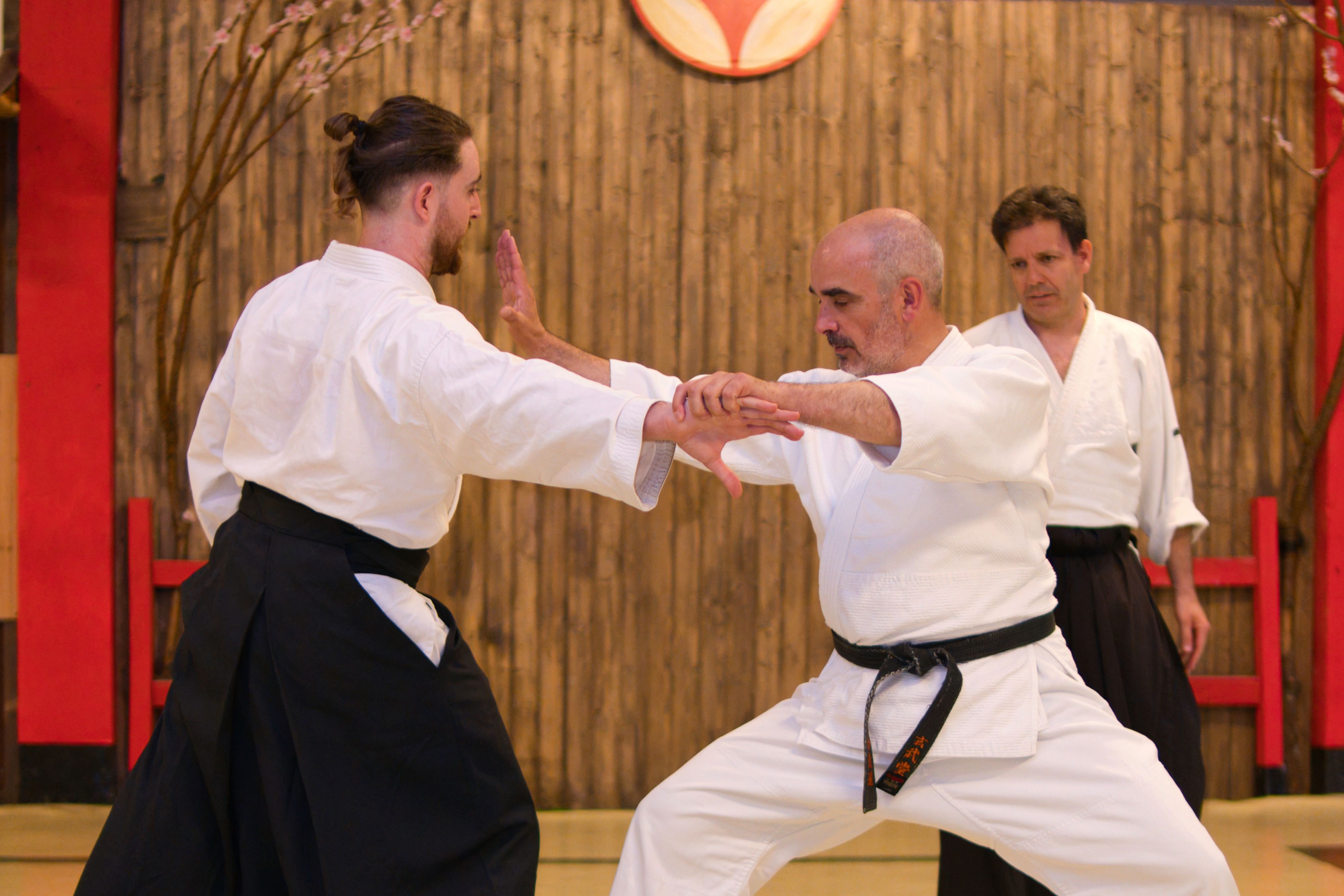
Martial arts foster a sense of community and respect among students. Training often involves working with partners, where mutual respect and cooperation are essential. This environment helps cultivate a positive, supportive culture.
Conclusion
Debunking these myths helps clarify the true essence of martial arts, revealing it as a profound practice that extends beyond physical prowess. Whether you're considering starting your martial arts journey or are already a practitioner, understanding these truths can enrich your experience and appreciation of this ancient art form.