
Comparing Martial Arts Styles: Taekwondo vs. Hapkido


Understanding Taekwondo
Originating from Korea, Taekwondo is a martial art known for its dynamic and high-flying kicks. It emphasizes speed, agility, and precision in striking. Practitioners often train to enhance flexibility and balance, focusing heavily on footwork and rapid movements.
Taekwondo is not only a physical discipline but also a mental one. Students learn respect, discipline, and perseverance, which are integral to the practice. The art form is also an Olympic sport, showcasing its global appeal and competitive nature.
Techniques and Training
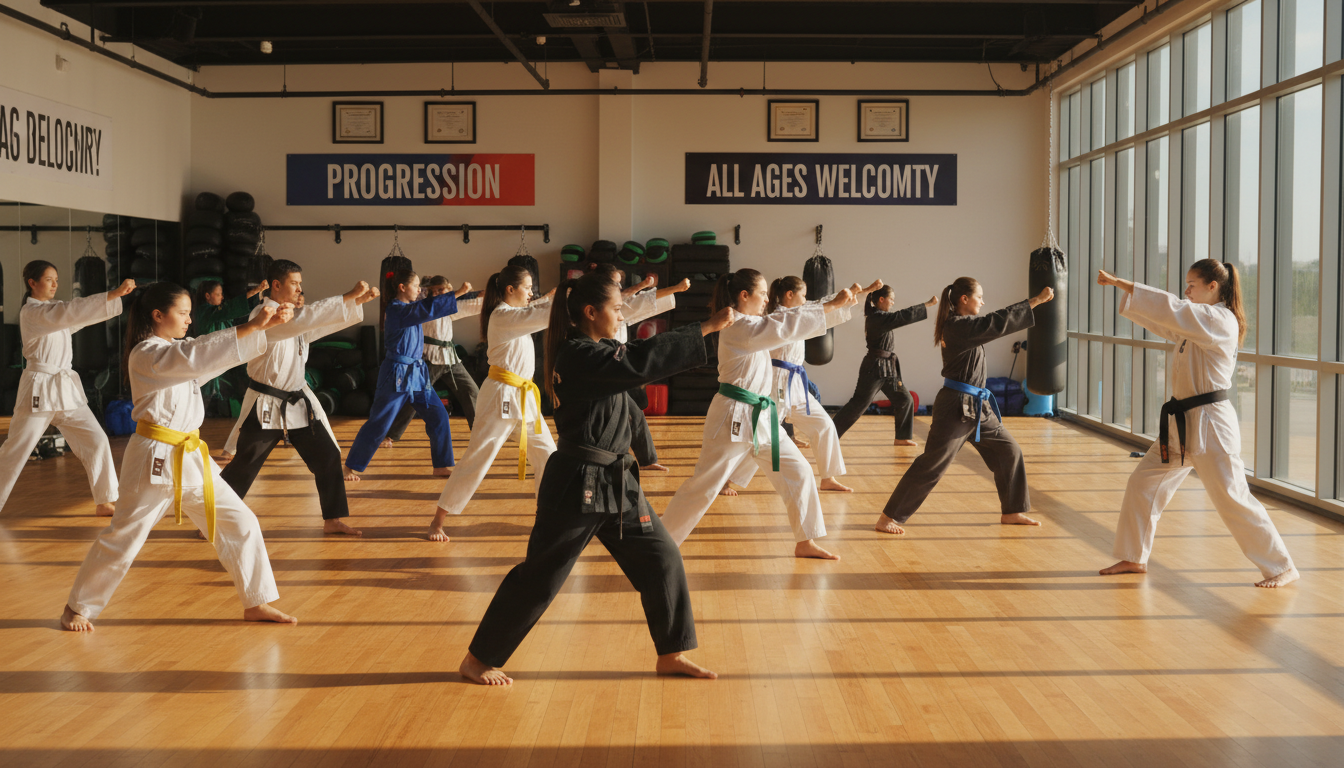
Training in Taekwondo involves a combination of kicking techniques, forms (known as poomsae), sparring, and self-defense. The emphasis on kicking is unparalleled, with practitioners often developing an impressive repertoire of powerful and precise kicks.
Taekwondo also incorporates hand strikes and blocks, although they are secondary to its renowned kicking techniques. Regular practice improves cardiovascular health, muscle strength, and flexibility.
Exploring Hapkido
Hapkido, another Korean martial art, offers a distinct contrast to Taekwondo. It is a comprehensive self-defense system that incorporates joint locks, throws, and grappling, making it more versatile in close combat situations. Hapkido practitioners learn to use their opponent's energy against them, which requires a deep understanding of body mechanics.
Techniques and Training
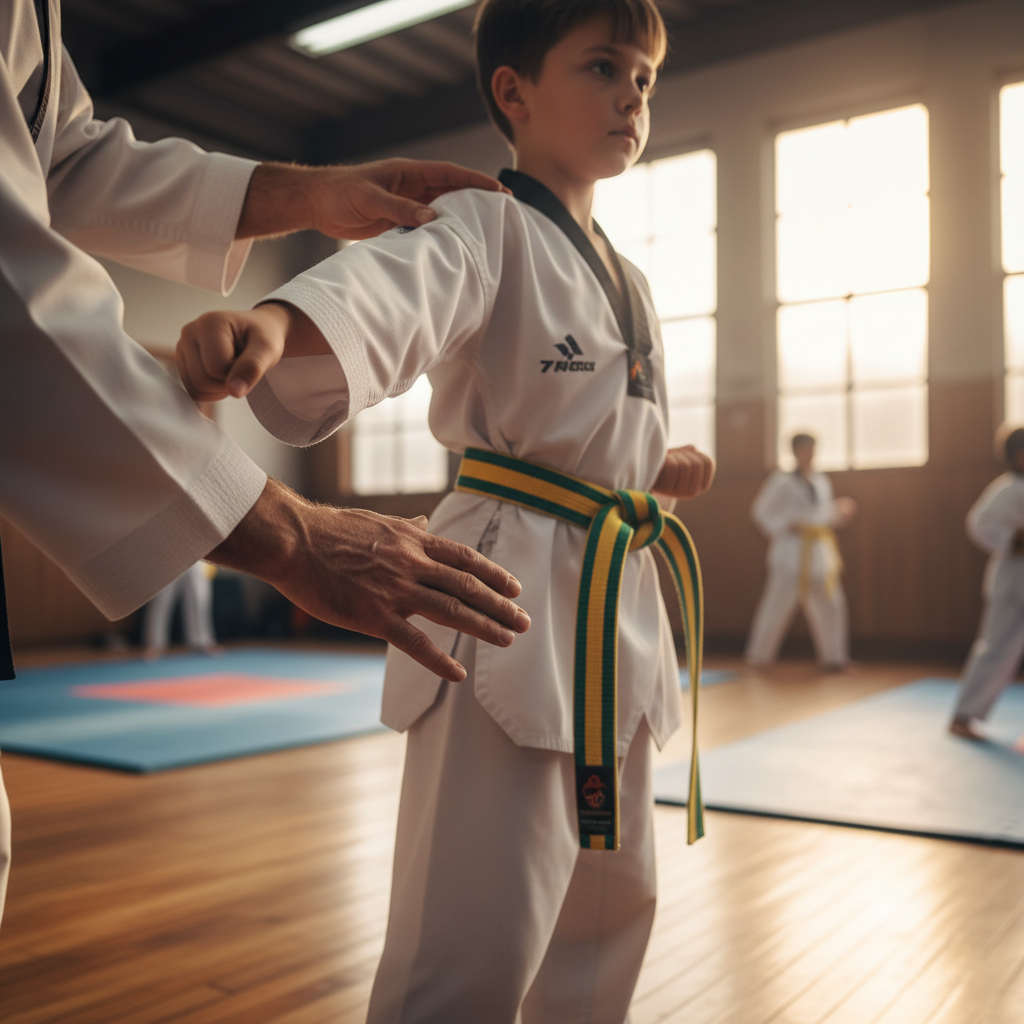
In Hapkido, the focus is on a blend of striking, throwing, and joint manipulation techniques. This martial art emphasizes circular movements to redirect and control an opponent’s force. Training often includes falls and rolls, ensuring practitioners can safely navigate various combat scenarios.
Hapkido also teaches the use of traditional weapons, enhancing its practical self-defense applications. Flexibility, coordination, and timing are crucial elements of training, alongside mental resilience and strategy.
Comparing Taekwondo and Hapkido
While both martial arts share Korean roots, Taekwondo and Hapkido differ significantly in focus and technique. Taekwondo is ideal for those interested in dynamic striking and competitive sports. It’s well-suited for individuals looking to improve their kicking abilities and overall fitness.
Conversely, Hapkido offers a more holistic self-defense approach, making it suitable for those seeking comprehensive combat techniques. Its emphasis on joint locks and throws makes it effective in real-world situations.
Choosing the Right Martial Art
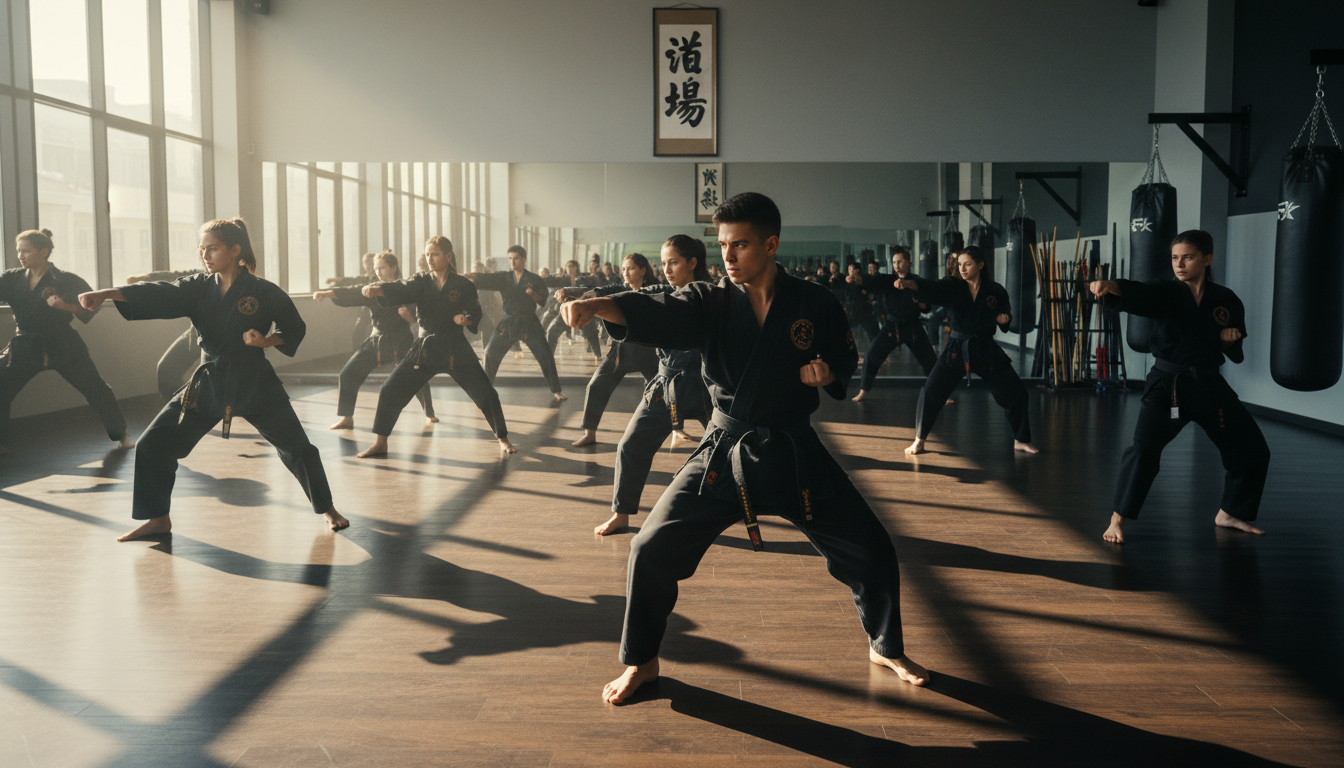
When deciding between Taekwondo and Hapkido, consider your personal goals and interests. If you’re drawn to the idea of high-energy competitions and mastering kicks, Taekwondo might be the right fit. For those who prefer a well-rounded self-defense system, Hapkido offers a diverse set of skills.
Ultimately, both martial arts provide valuable physical and mental benefits, fostering discipline, confidence, and self-awareness. Whether you choose Taekwondo or Hapkido, the journey in martial arts is rewarding and enriching.