
Comparing Martial Art Styles: Taekwondo vs. Hapkido


Introduction to Taekwondo and Hapkido
Martial arts offer a diverse range of techniques, philosophies, and benefits. Among the popular styles originating from Korea, Taekwondo and Hapkido stand out for their unique approaches to self-defense and personal development. While both arts share cultural roots, they differ in techniques and training methodologies.
Philosophy and Principles
Taekwondo
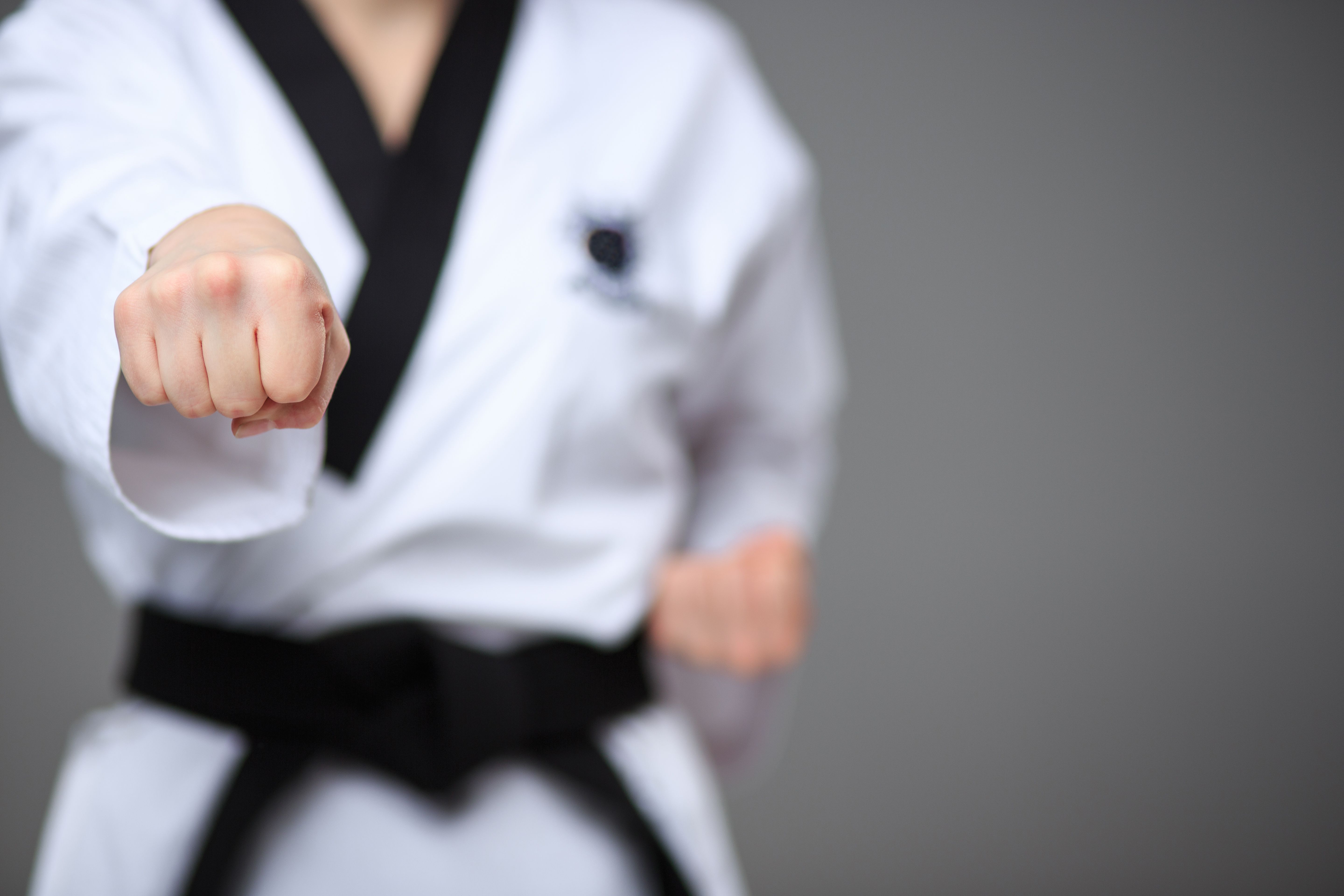
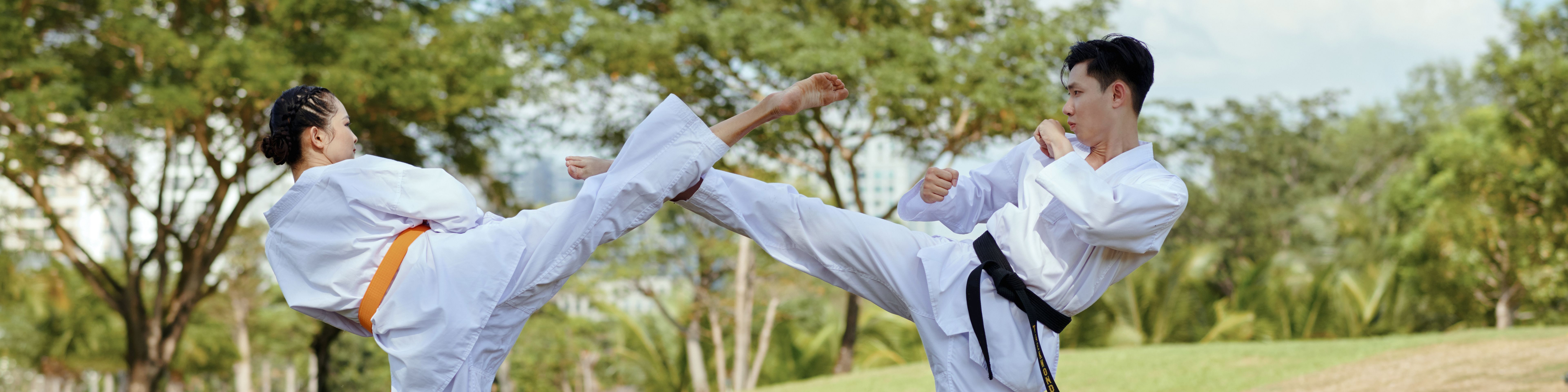
Taekwondo emphasizes speed, agility, and high, spinning kicks. Its philosophy centers around self-discipline, respect, and perseverance, guiding practitioners to improve both physically and mentally. The sport is well-known for its competitive aspect, featuring in the Olympics and other international competitions.
Hapkido
Hapkido, on the other hand, focuses on self-defense with an emphasis on joint locks, throws, and dynamic footwork. The philosophy of Hapkido includes the "water principle," which encourages adaptability and flow, allowing practitioners to efficiently handle various combat situations. This martial art integrates both offensive and defensive techniques, making it versatile and comprehensive.

Techniques and Training
Taekwondo Techniques
The primary focus of Taekwondo lies in its striking techniques, especially powerful kicks. Students are trained in patterns called "poomsae," sparring, and board breaking, all of which enhance precision, speed, and power. Training often includes rigorous physical conditioning to develop endurance and flexibility.
Hapkido Techniques
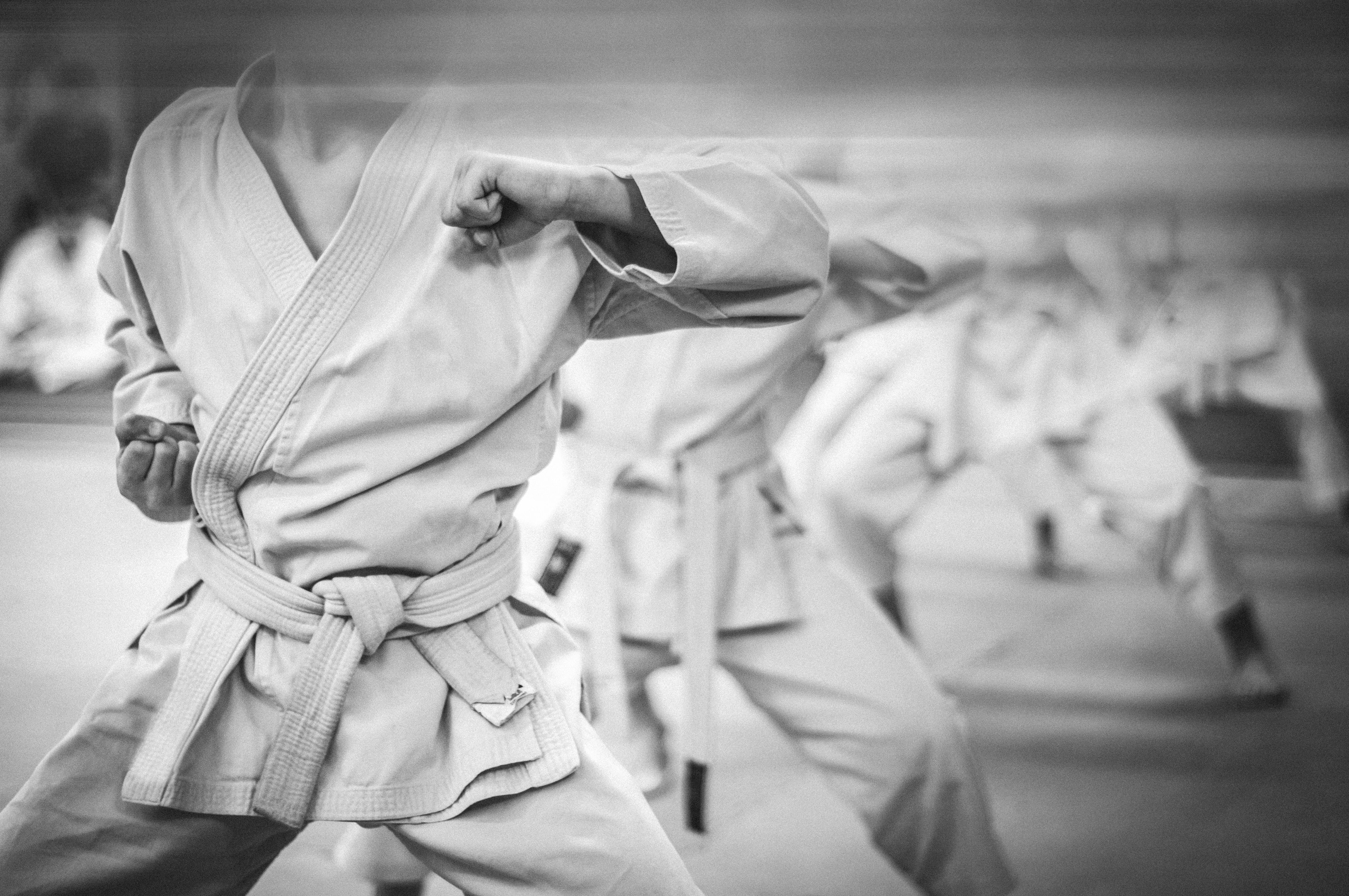
Hapkido offers a broader array of techniques that include grappling, throws, and joint locks. Training sessions often involve learning to redirect opponents' energy, allowing practitioners to neutralize threats effectively. Hapkido's diverse techniques make it a well-rounded choice for those interested in practical self-defense.
Benefits and Suitability
Both Taekwondo and Hapkido offer numerous benefits beyond self-defense. Practitioners of Taekwondo enjoy improved cardiovascular health, flexibility, and mental discipline. The sport's competitive nature also fosters a strong sense of achievement and confidence.
Hapkido practitioners benefit from enhanced coordination, balance, and adaptability. The art's focus on self-defense techniques is suitable for individuals seeking practical applications in real-world scenarios. Additionally, Hapkido's inclusive approach makes it accessible to people of all ages and physical abilities.
Conclusion
Choosing between Taekwondo and Hapkido depends on personal goals and interests. Those keen on competitive sports and striking techniques might find Taekwondo more appealing, while those interested in comprehensive self-defense systems may prefer Hapkido. Both martial arts offer enriching experiences, promoting physical fitness, mental strength, and personal growth.